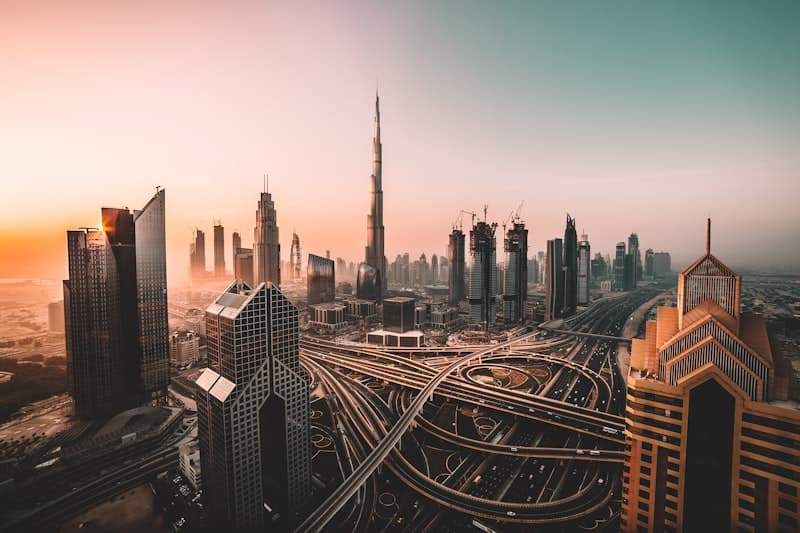
Palm Jebel Ali — BIM for the World's Largest Artificial Island
How multi-discipline BIM coordination powers Dubai's record-breaking island megaproject.
2,000+
Luxury villas
80
Hotels planned
LOD 350
Delivery level
5
Disciplines coordinated
Project overview
Palm Jebel Ali is Dubai's newest mega-island — surpassing the original Palm Jumeirah in scale and ambition. With over 2,000 luxury villas, 80 hotels, a sea village, and a mega mosque, the project demanded a federated BIM approach from day one to manage scope, prevent clashes, and ensure buildability across every trade.
What made this project complex
The sheer volume of building types — residential, hospitality, civic, and marine infrastructure — required simultaneous modelling across architectural, structural, and MEP disciplines. Traditional 2D coordination would have introduced unacceptable clash rates and extended the construction schedule significantly.
How BIM coordination delivered
A federated Revit model was established with discipline-specific worksets managed through BIM 360. Navisworks was used for automated clash detection cycles every two weeks, producing categorised clash reports. The BIM Execution Plan aligned all teams to a single LOD 350 standard, with phased model drops tied to construction milestones.
Measurable outcomes
Reduced clash count by 78% before first concrete pour
Standardised LOD 350 deliverables across all building types
Coordinated 5 disciplines within a single federated environment
Enabled early procurement through accurate quantity extraction
Disciplines
Tools & Software
Delivery Level
LOD 350
Level of Development
Have a similar project?
Let's discuss how BIM coordination can deliver results for your project.
Start your project